
News


Non-profit association for the promotion of the cultural, natural, and landscape heritage represented by tree avenues
Menu
 "
"
"Merci pour ce moment simple au bord des arbres. On en revient comme d'un long voyage.Ébahies et heureuses."
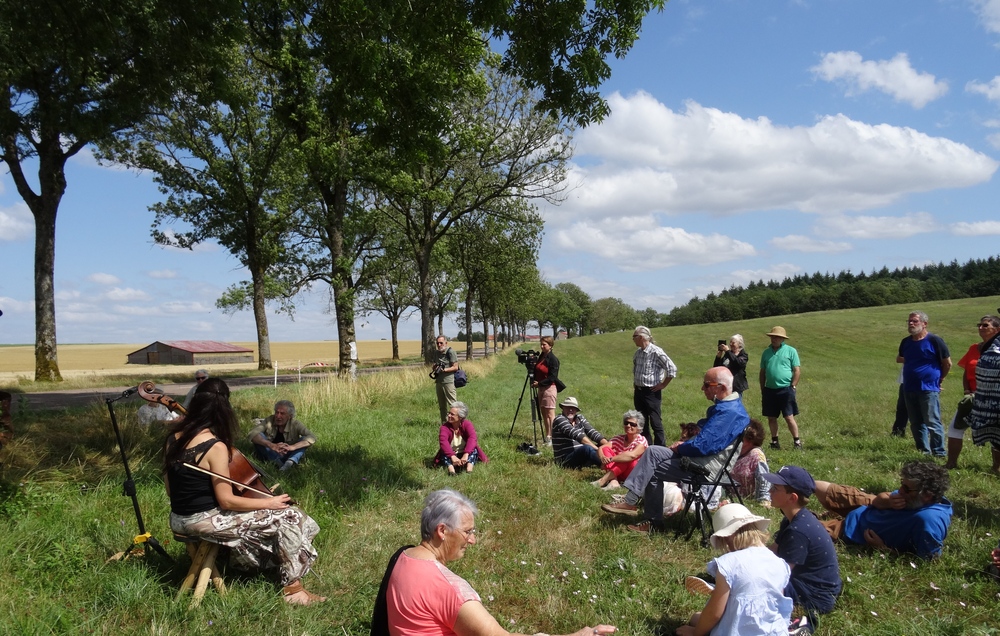
Indéniablement, l'Observatoire artistique de l'#allée de #Trampot, c'est un moment de magie pour voir et entendre les arbres autrement.
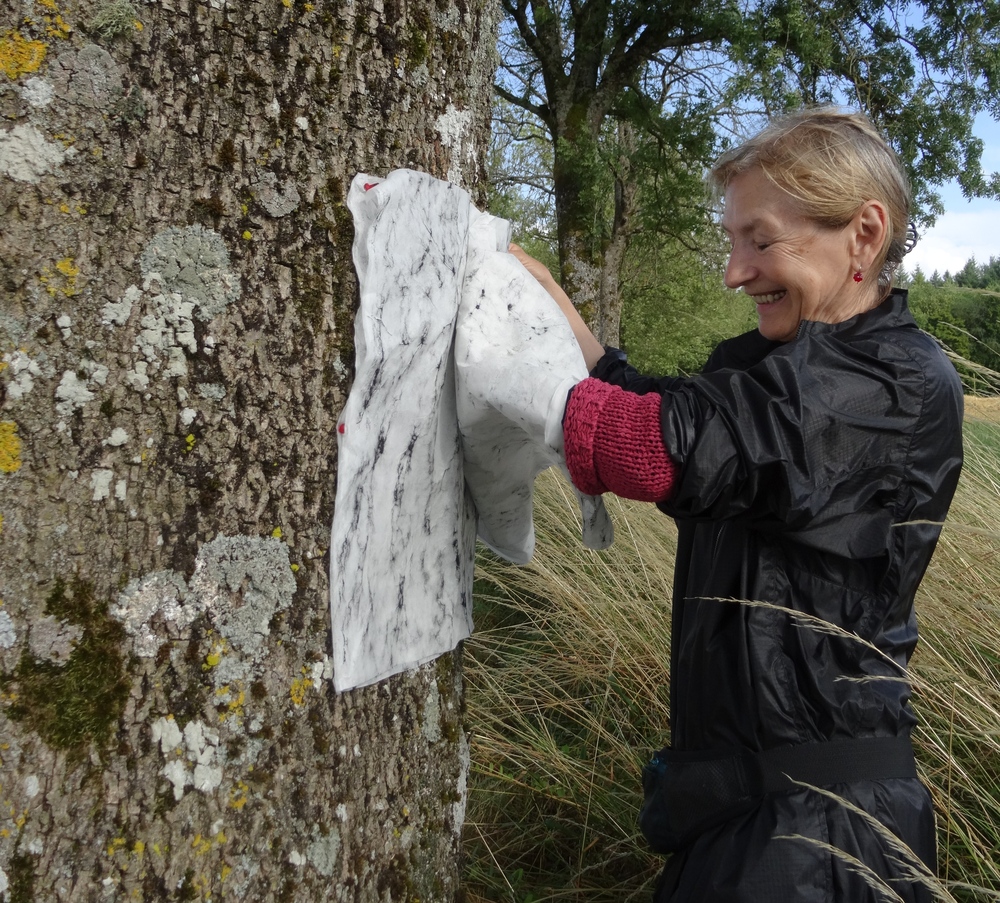
Merci à Constance Fulda, qui venait pour la 4ème année consécutive poursuivre son oeuvre de révélation et de mémoire. Petit à petit, les arbres de l'allée ont leur empreinte, toujours aussi surprenante et vraiment individuelle. Constance parviendra-t-elle à finir la série l'an prochain ? Ensuite viendra un autre moment extraordinaire: celui de l'exposition. Nous y réfléchissons déjà.
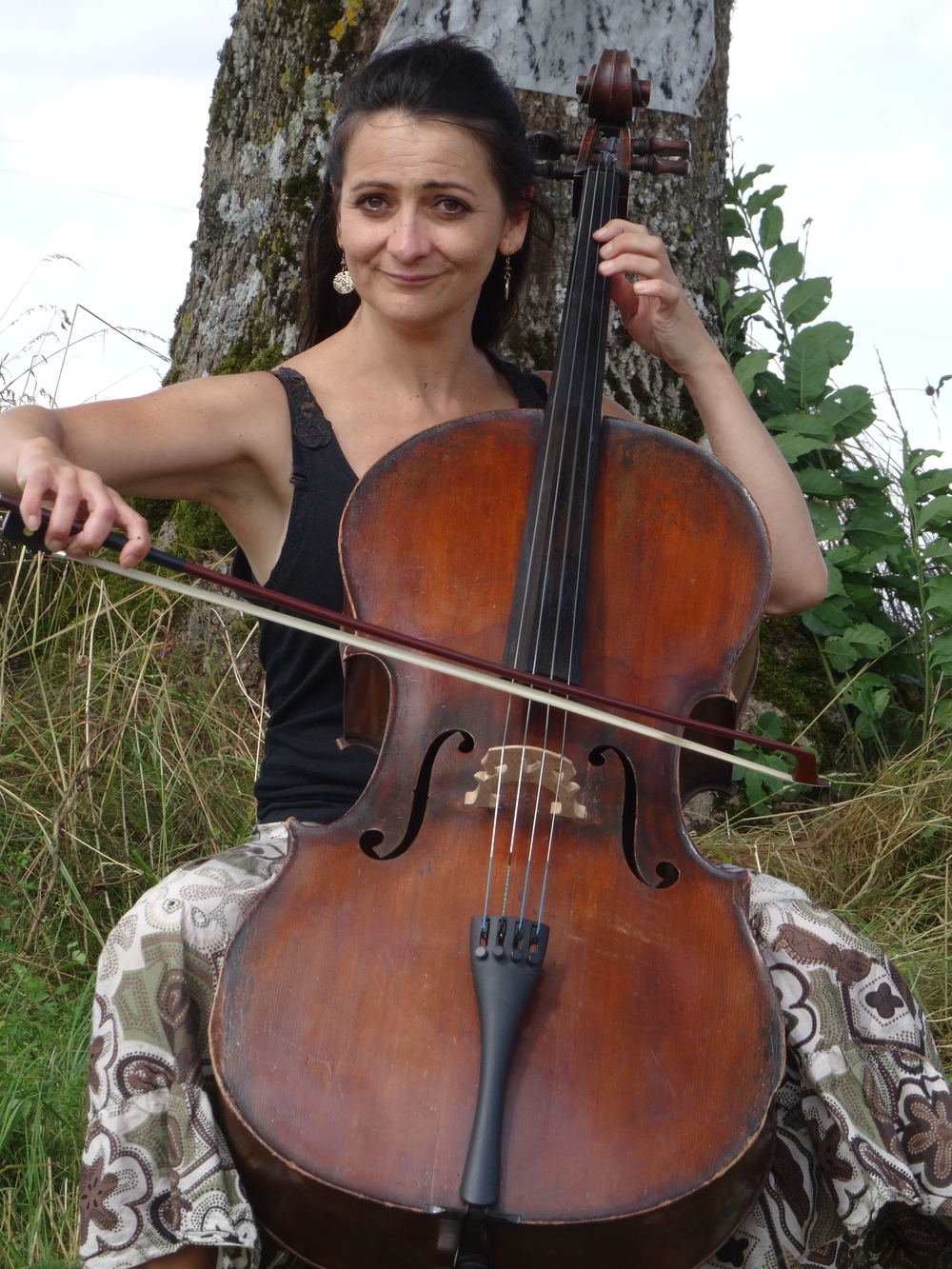
Merci aussi à Julie Ory d'avoir mis ses talents de conteuse et de musicienne à l'écoute des arbres et d'avoir semé au vent, sous les frênes, des textes tour à tour touchantsou drôles, pour qu'ils prennent le chemin des cœurs.
Le public a été ravi et le soleil lui-même, après un samedi un peu maussade, s'était endimanché !
Christian Bobin, l'ami des allées d'arbres, a pris une autre route
26 November 2022
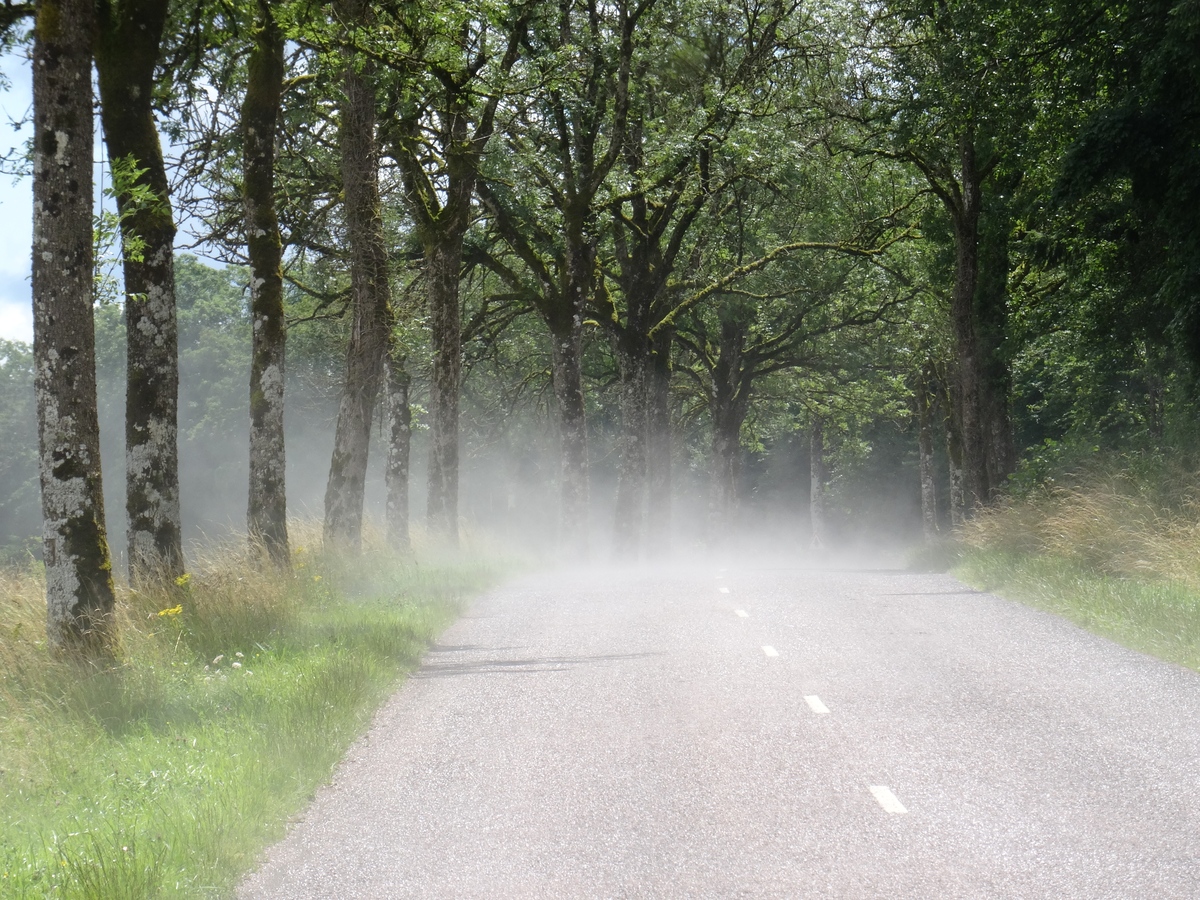
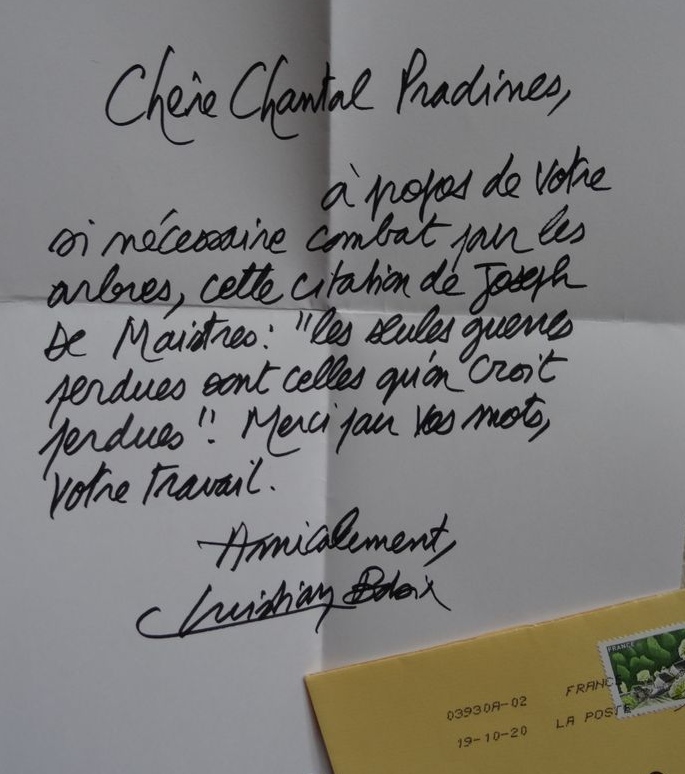
Christian Bobin aimait les allées d'arbres. En 2007 il avait offert à notre déléguée un petit texte inédit pour un projet de "beau livre" qui est pour l'instant encore dans les tiroirs. Et son soutien, depuis, n'avait pas failli.
Combien nous sommes d'accord avec lui ! "Il n'y a que la beauté pour arrêter le néant"
Les vapeurs l'ont saisi, comme cette brume qui s'élève de la route de Trampot pour laquelle il écrivit ces lignes. Les anges lui ont fait escorte. Il reste debout dans nos pensées, tel les arbres de l'allée. Pour sûr, à cette belle âme, le néant n'aura pas résisté.
Et nour continuerons ce "si nécessaire combat pour les arbres".
We are looking forward to seeing you on Saturday and Sunday, 25 and 26 June 2022, from 10 a.m. to noon and from 2 p.m. to 5.30 p.m. We will join Constance Fulda in the ash tree avenue in Trampot in the Vosges Department. For the Artistic Observatory, she will continue her rubbing work which reveals distinct and surprising patterns of the bark. Meet her to learn more about her passion for trees, her technique and the washi paper she uses for this purpose.
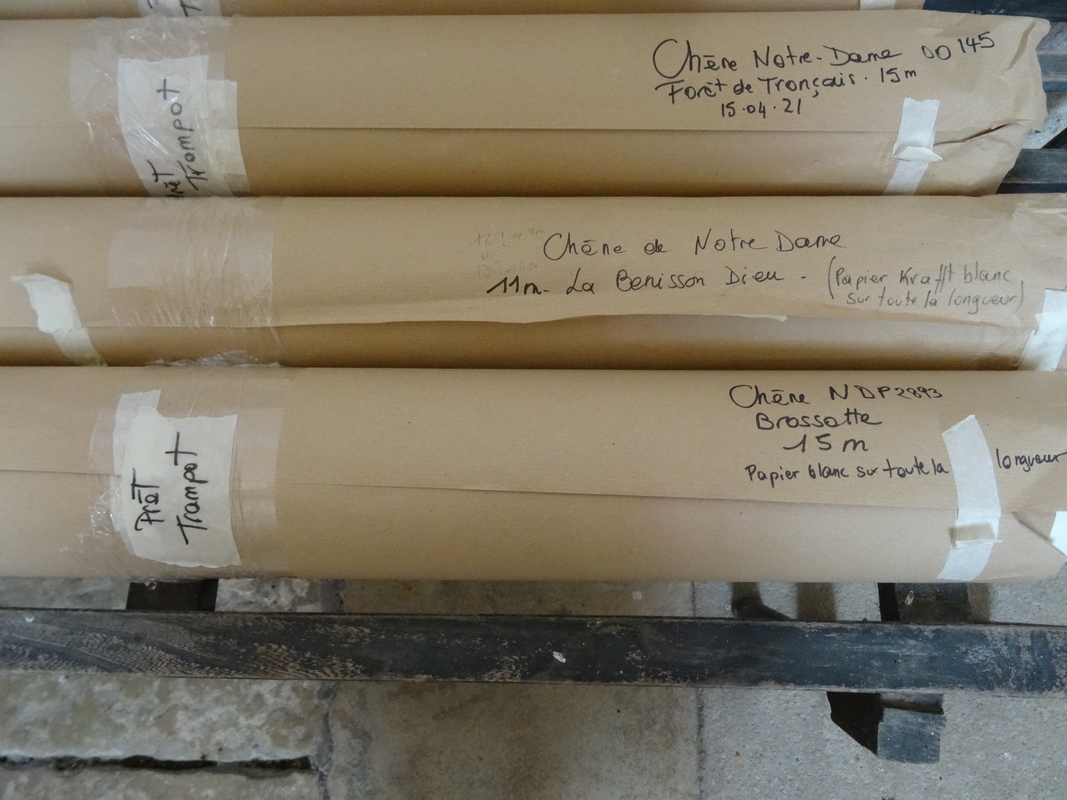
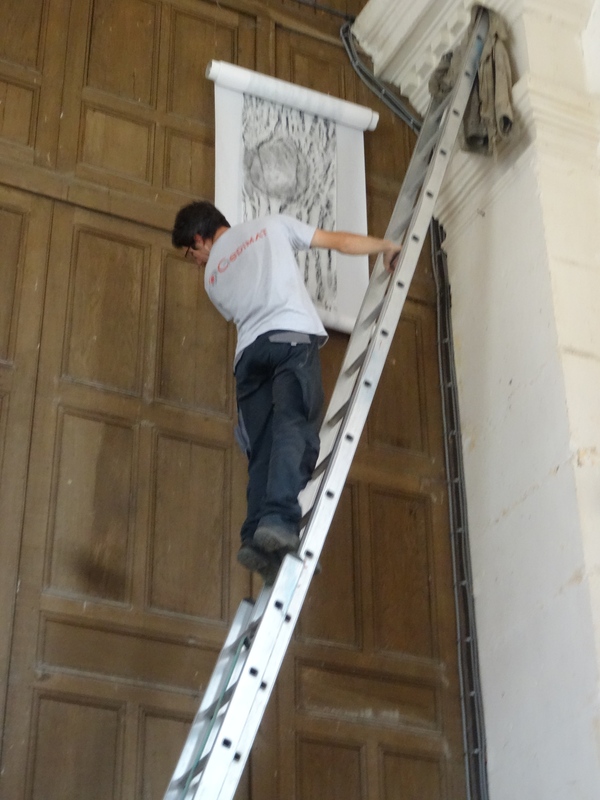
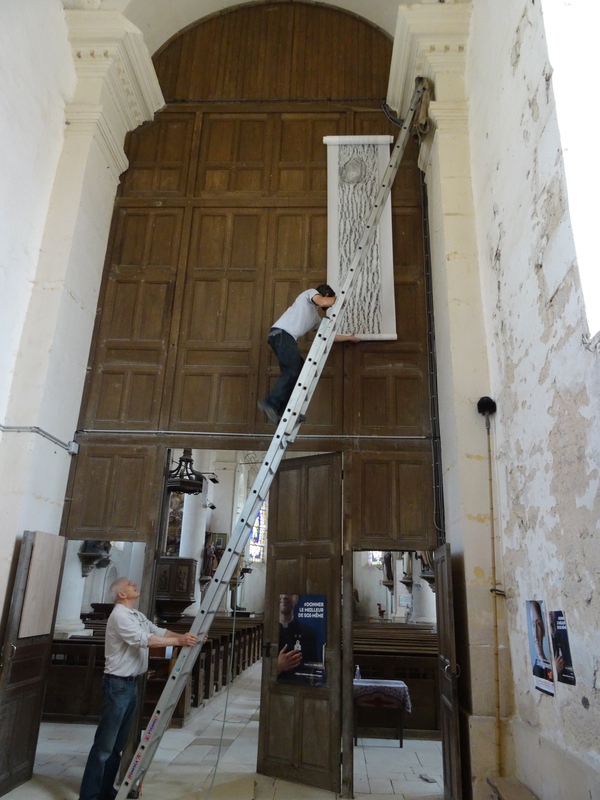
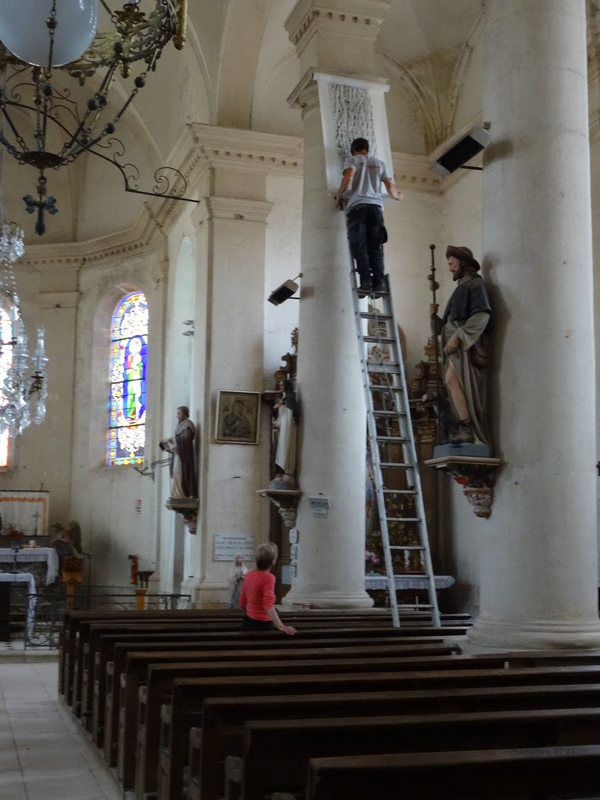
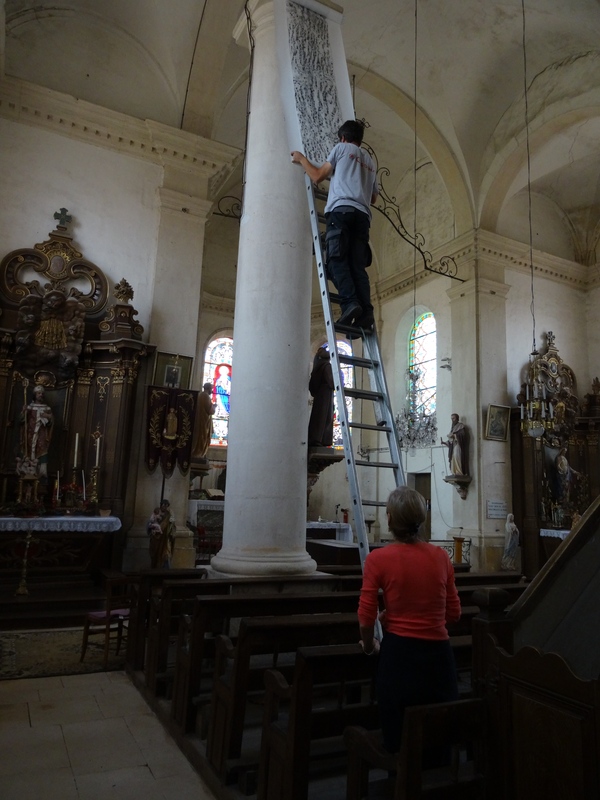
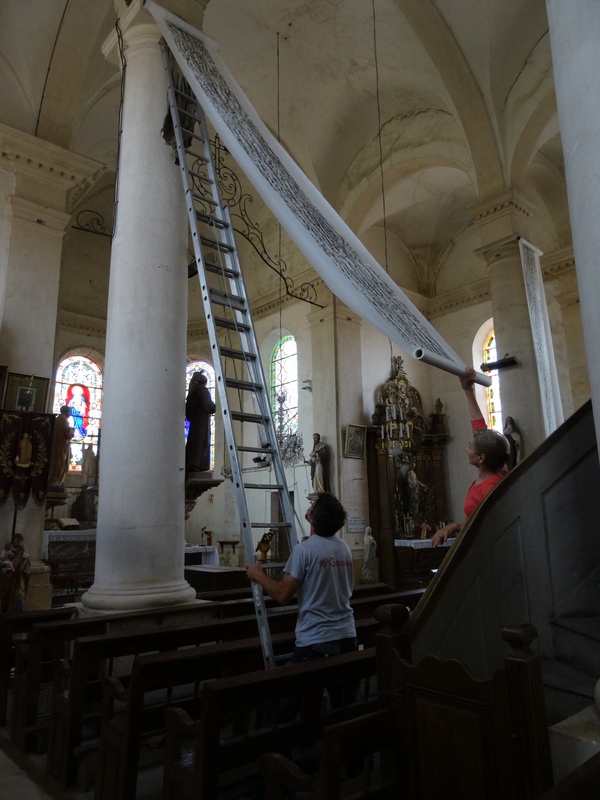
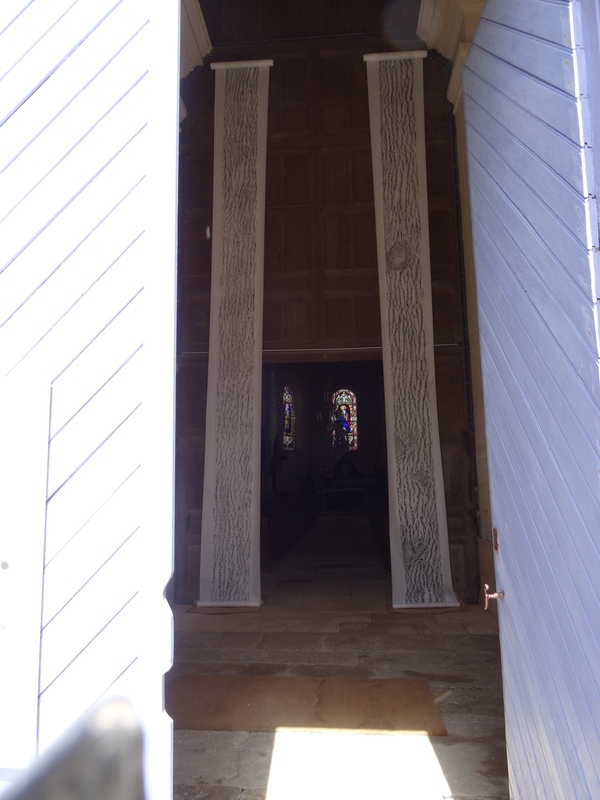
You are also invited to enjoy a preview of six rubbings Constance made of the oak trees intended for the reconstruction of the roof of Notre-Dame in Paris. They will be exhibited in the church of Trampot. The installation was quite a challenge. And it was worth while: it's just stunning!
L'artiste Ridha Dhib a contribué à notre Observatoire artistique et porte un message de paix
25 March 2022
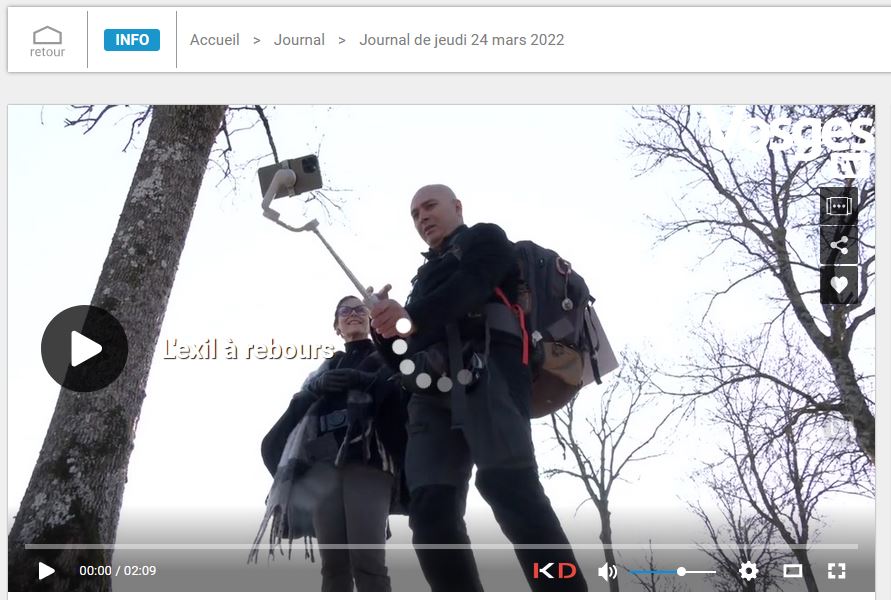
Mercredi 23 et jeudi 24 mars, l'artiste Ridha Dhib a parcouru l'allée de frênes de notre Observatoire artistique à Trampot (Vosges). Sa contribution est sur la toile: à vous maintenant de donner votre avis et de liker l'avis et les images de Ridha Dhib. C'est ici : contribution de Ridha Dhib à l'Observatoire artistique
Il y a tourné une petite vidéo à 360° et pris des clichés avec boussole en réalité augmentée pointant vers Mardin, à la frontière turco-syrienne. Car cette contribution à l'Observatoire s'intègre à un autre projet de l'artiste, le projet "Ex-tracés", un périple de 4200 km à rebours de la "route des Balkans" empruntée par les réfugiés Syriens. Au cours de son périple, à chaque étape, il tracera dans la terre d'accueil un passage de la Convention de Genève, d'une brûlante actualité. C'est ce qu'il a fait mercredi dans la commune de Trampot.
Une fois de plus, une allée d'arbres, un lien physique parcouru habituellement par les habitants, les transporteurs, les touristes, participe à une mise en relation symbolique et humaine d'une incroyable universalité.Nous sommes heureux de lui avoir remis un message de paix et d'amitié, rédigé dans l'allée, et qu'il remettra à ses hôtes à son arrivée.
Nous avons eu le plaisir d'être suivis par une équipe de Vosges Télévision. Cliquez sur l'image ci-dessus pour voir le reportage.
L'avenir de la protection des allées entre les mains des députés
16 November 2021
L'examen du projet de loi 3Ds (différenciation, décentralisation, déconcentration et simplification) commence à l'Assemblée nationale. L'article 62, quii constitue un recul sur la protection existante des allées d'arbres concentre à lui seul 18% des amendements, tous favorables à une meilleure protection : 32 amendements déposés ou soutenus par 148 députés de 5 groupes ou non inscrits.
Le premier enjeu : réintroduire la protection de TOUTES les allées. Ce serait une grave erreur d'exclure de la protection les allées privées qui ne sont pas ouvertes à la circulation publique ! Des cathédrales végétales privées, qui contribuent de façon majeure à la connectivité des territoires et à la qualité des paysages, seraient du jour au lendemain à nouveau menacées.
Autre enjeu : garantir que les demandes d'autorisation ou les simples déclarations soient justifiées. C'est le volet "Eviter" les dommages de la séquence ERC - Eviter-Réduire-Compenser.
Quant aux compensations, elle doit se faire d’abord dans l’allée, dans un délai raisonnable: comment assurer, sinon, la préservation de la structure ?
Enfin, il faut des sanctions en cas d'infraction, c'est-à-dire si l'on n'effectue pas de déclaration comme prévu, ou que l'on réalise un projet de construction sans autorisation.